Blog
Why Has Zibo Liuli Shone for Over a Thousand Years? (Part 1)
Zibo Liuli, one of the most radiant treasures of traditional Chinese craftsmanship, carries profound historical heritage and exceptional artistic value.
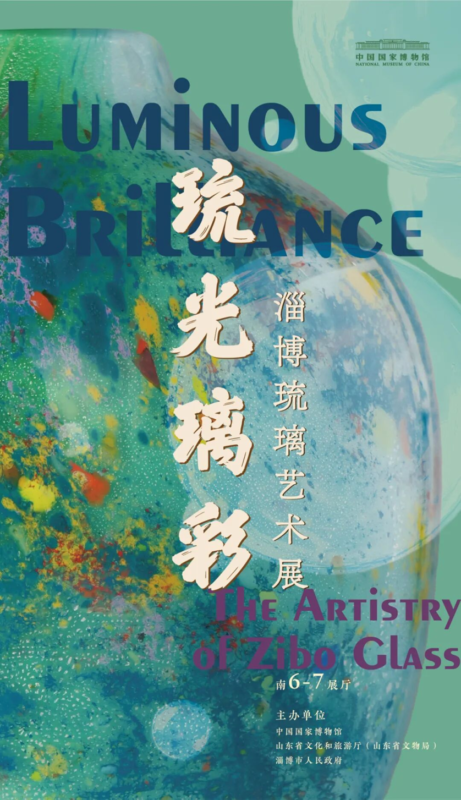
On June 10, the exhibition “Radiance of Glass: The Art of Zibo Liuli” will open at the National Museum of China. Jointly hosted by the National Museum of China, the Shandong Provincial Department of Culture and Tourism (Shandong Provincial Cultural Heritage Administration), and the Zibo Municipal People’s Government, this exhibition brings the luminous legacy of Zibo Liuli onto one of the most prestigious cultural stages in the country.
Why does Zibo’s Liuli art shine within the halls of the National Museum?
Today, let us explore the profound cultural depth and distinctive artistic charm that have allowed Zibo Liuli to endure and flourish for centuries.
【Exhibition Information】
Tracing the Origins of Zibo Liuli: Art Forged by a Thousand Years of Kiln Fire
Warring States Period Suihou Pearl / Collection of the Zibo Ceramic & Liuli Museum
It is often said: “To understand Liuli, look to China; to understand Chinese Liuli, look to Zibo.”
Liuli has long been regarded as one of the five great treasures of traditional Chinese craftsmanship and is also counted among the Seven Treasures in Buddhist tradition.
This luminous art, flowing across more than three thousand years of history, can be traced back to the deep blue glow of the legendary Suihou Pearl of the Warring States period. Over centuries, it was refined and shaped in the fiery kilns of Boshan, where the craft of Liuli gradually flourished.
As early as 3,000 years ago, historical records already documented the production of Liuli in China. Archaeological discoveries from tombs dating to the Spring and Autumn Period, the Warring States Period, and the Western Han Dynasty in Shandong have unearthed numerous Liuli artifacts, including beads, tubular beads, Liuli bi-discs, and decorative fittings for swords.
These findings reveal that Liuli was not only an artistic material, but also an important cultural symbol in ancient China.

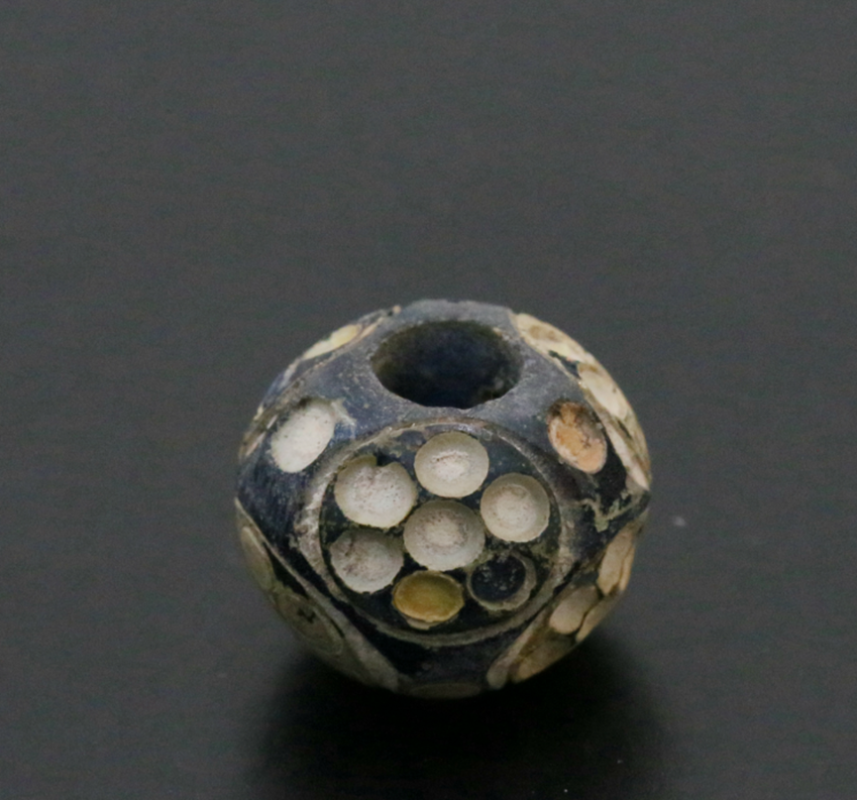
Seven-Eyed “Dragonfly Eye” Liuli Bead
Collection of the Zibo Ceramic & Liuli Museum
In 1982, a group of ancient Liuli kiln ruins dating back to the late Yuan Dynasty and early Ming Dynasty was discovered at a construction site for the Boshan Department Store on Boshan Street in Zibo.
The site included one large kiln and twenty-one smaller kilns, forming a complete kiln complex. To date, it is considered the earliest known ancient Liuli kiln site discovered in China.
This discovery confirmed that large-scale Liuli production had already been established in Boshan during that period. As a result, Boshan in Zibo has since been recognized as one of the birthplaces of Chinese Liuli craftsmanship.
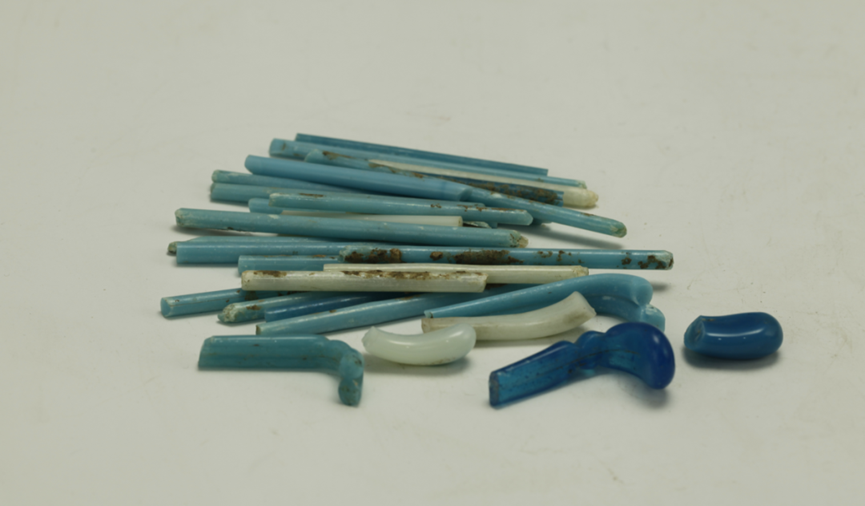
Liuli Hairpin, Yuan Dynasty
By the Ming Dynasty, Boshan had already begun producing Liuli for the imperial court.
Through continuous development across successive dynasties, Zibo Liuli gradually became a representative tradition in the history of Chinese Liuli craftsmanship, embodying the evolution of this art form over centuries.
A Thousand Years of Development: From Royal Artifacts to a Diversified Liuli Industry
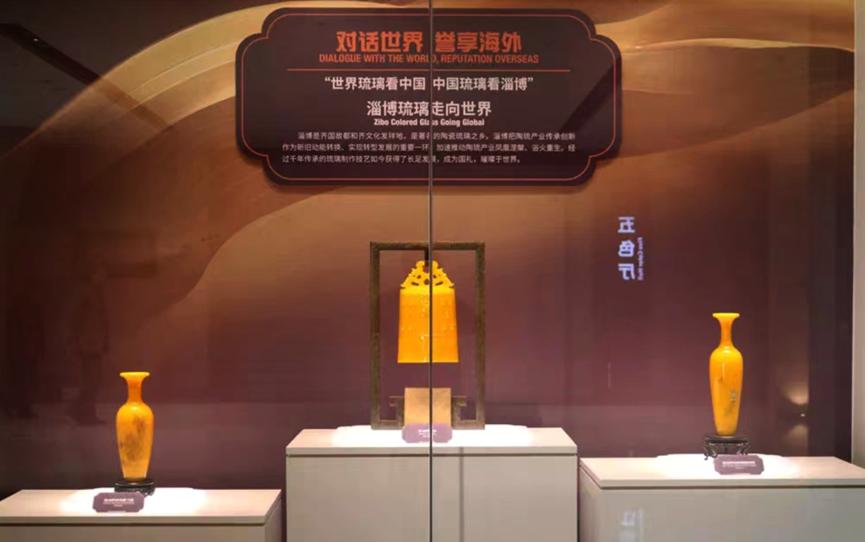
“Chicken-Fat Yellow” Liuli
Zibo Liuli is renowned for its distinctive beauty in both color and craftsmanship.
In terms of color, Zibo artisans traditionally use natural mineral materials such as Mayashi stone, Zishi stone, and Lingzi stone as raw ingredients. Through specialized techniques, these materials are transformed into a range of prized hues, including “chicken-fat yellow,” “chicken-liver stone,” brilliant red, and deep cobalt blue. These colors are celebrated for their warm translucence, clarity, and refined texture.
Among them, “chicken-fat yellow” Liuli was particularly treasured, and during the Ming and Qing dynasties it was produced exclusively for imperial use.
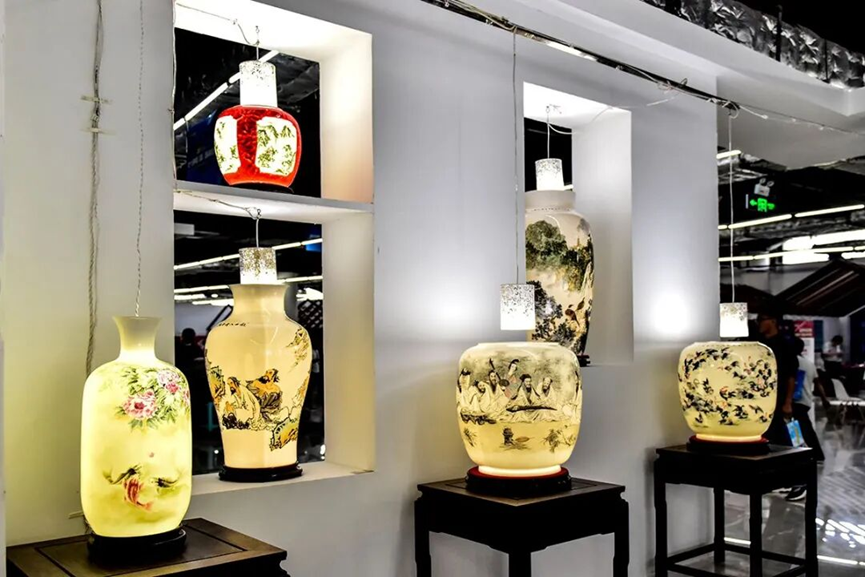
Inside-Painting Technique in Liuli
In terms of craftsmanship, Zibo Liuli is equally remarkable for its wide range of sophisticated techniques.
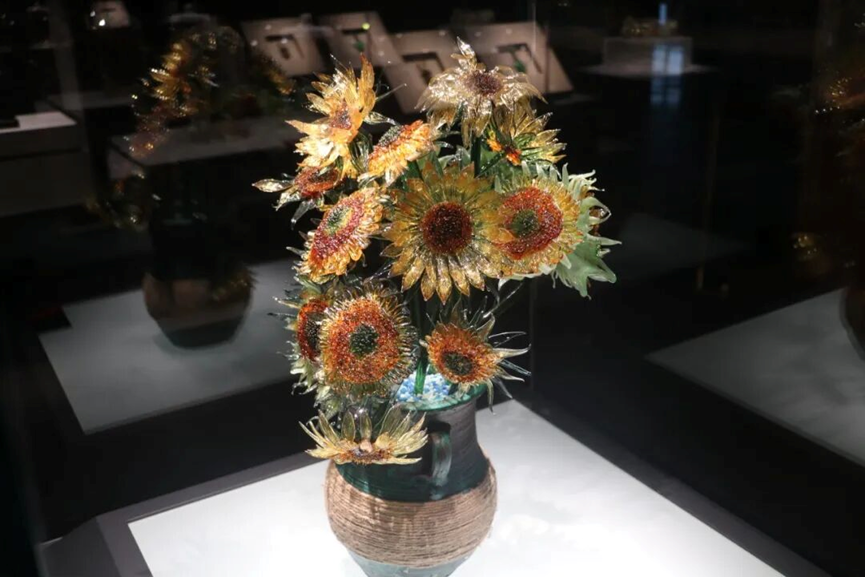
Among them, the lampworking technique, recognized as a National Intangible Cultural Heritage of China, is one of the most representative and distinctive skills. Other remarkable techniques include inside painting, lost-wax casting, and the once-lost silk-thread inlay technique in Liuli, all of which reflect the unique craftsmanship developed in Zibo.
These specialized methods highlight the ingenuity of Zibo artisans and contribute to the enduring artistic identity of Zibo Liuli.
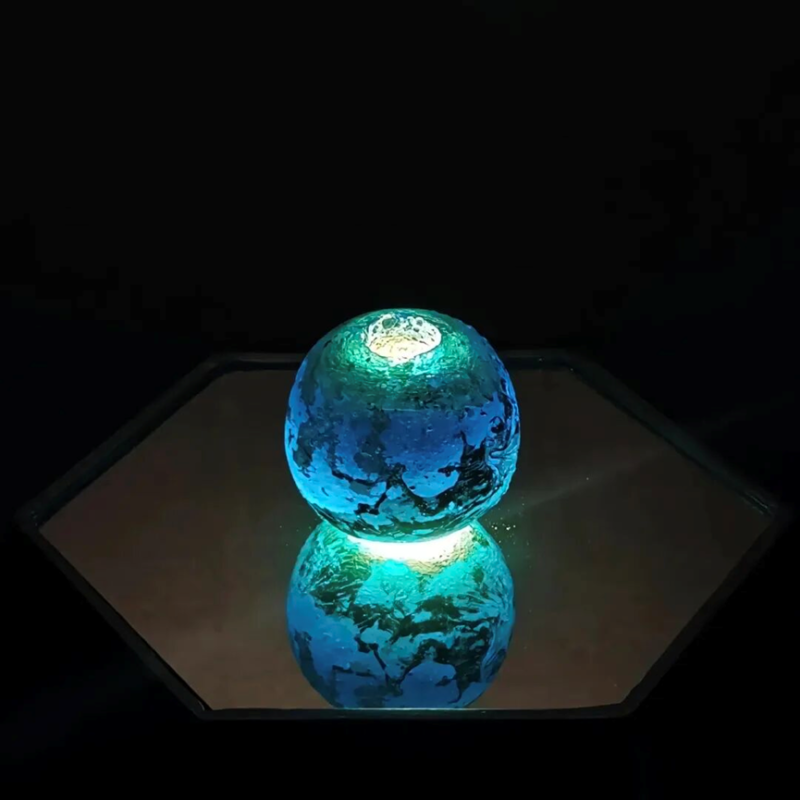
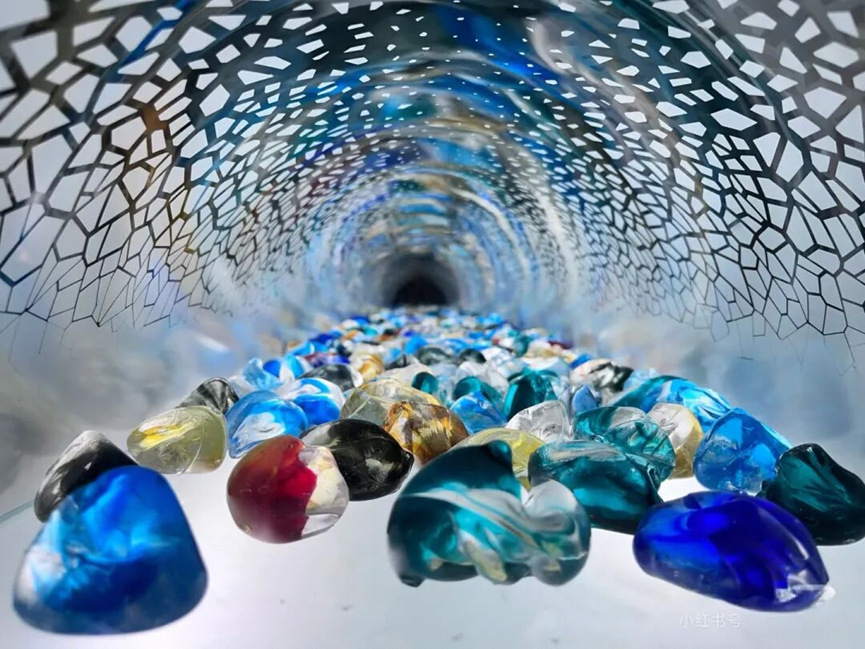
Today, Zibo Liuli has moved beyond the limitations of traditional single colors and techniques, embracing bold innovations in color combinations. Effects such as dreamlike starry skies and flowing cascades of color create striking visual impact and unique artistic beauty.
From large decorative murals to elegant display pieces, from luxurious Liuli bead curtains to practical everyday items, Liuli has gradually become part of daily life.
This exhibition features 183 selected Liuli works, organized into three sections: “Origins of a Thousand-Year Tradition,” “Enduring Colors,” and “Exquisite Liuli Artifacts.”
Through historical context and craftsmanship, it presents the development of Zibo Liuli and highlights its enduring aesthetic value and contemporary artistic expression.