
Blog
Zibo Liuli: A Legacy of Fire, Craft, and Culture(Part 1)



Related Posts
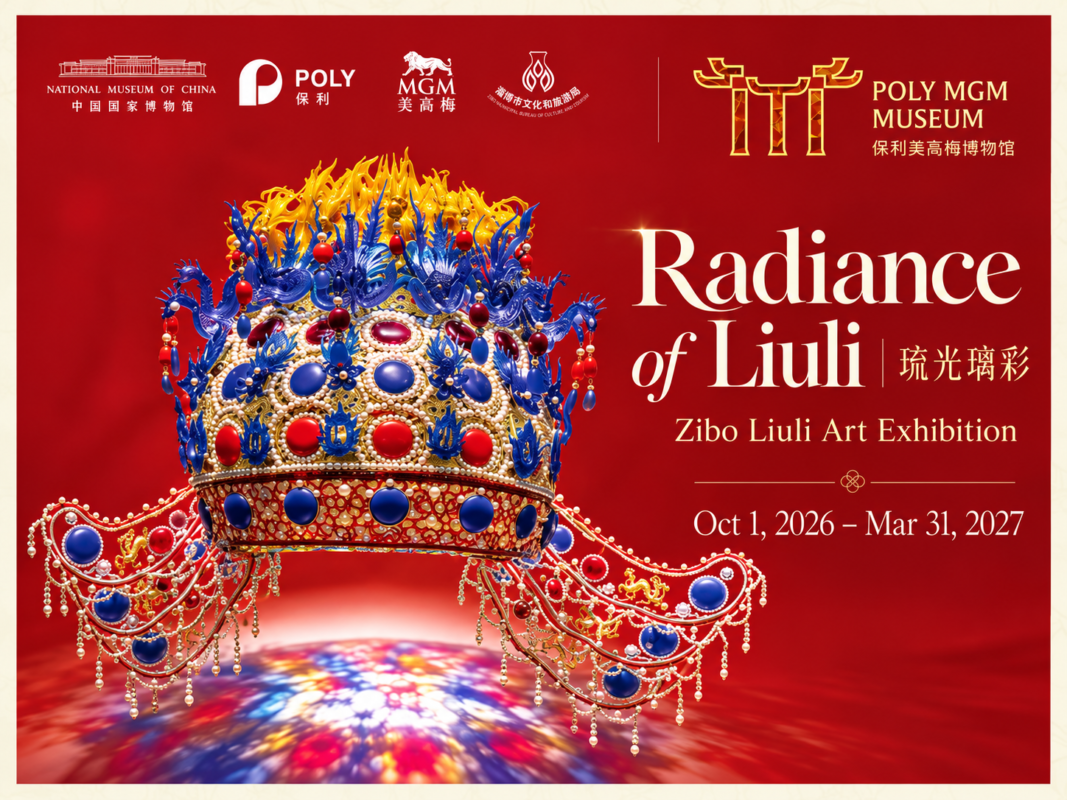
Zibo Liuli Art Exhibition Opens at POLY MGM MUSEUM in Macau

On October 1, 2026, Luminous Brilliance — Zibo Liuli Art Exhibition opened at the POLY MGM MUSEUM in Macau.Presented in collaboration w...
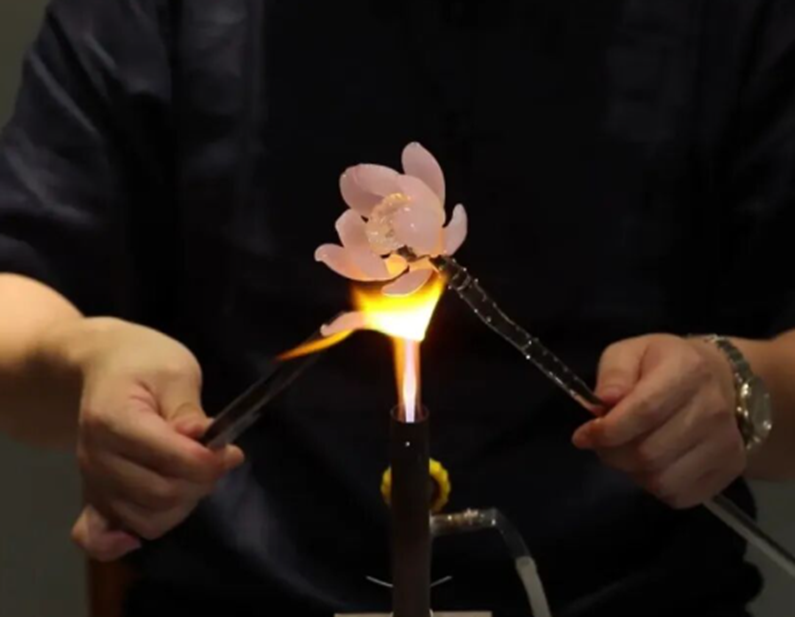
How Zibo Liuli Is Evolving: From Ancient Craft to Modern Art
Liuli, a traditional form of Chinese glass art, has been shaped by fire and craftsmanship for centuries. Today, this ancient heritage i...
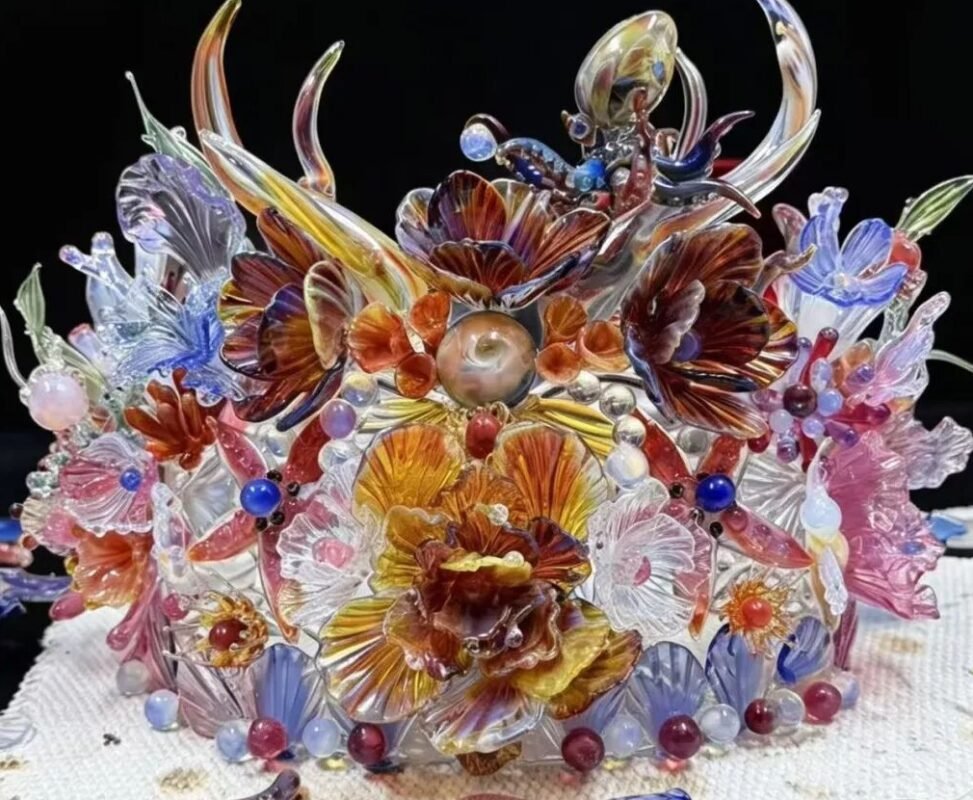
Radiance in Liuli, Dreams of Mountains and Sea — Zibo Liuli Art Special Exhibition
From now through August 21, the Qingdao Museum presents a special exhibition dedicated to Zibo Liuli, a traditional Chinese glass art s...
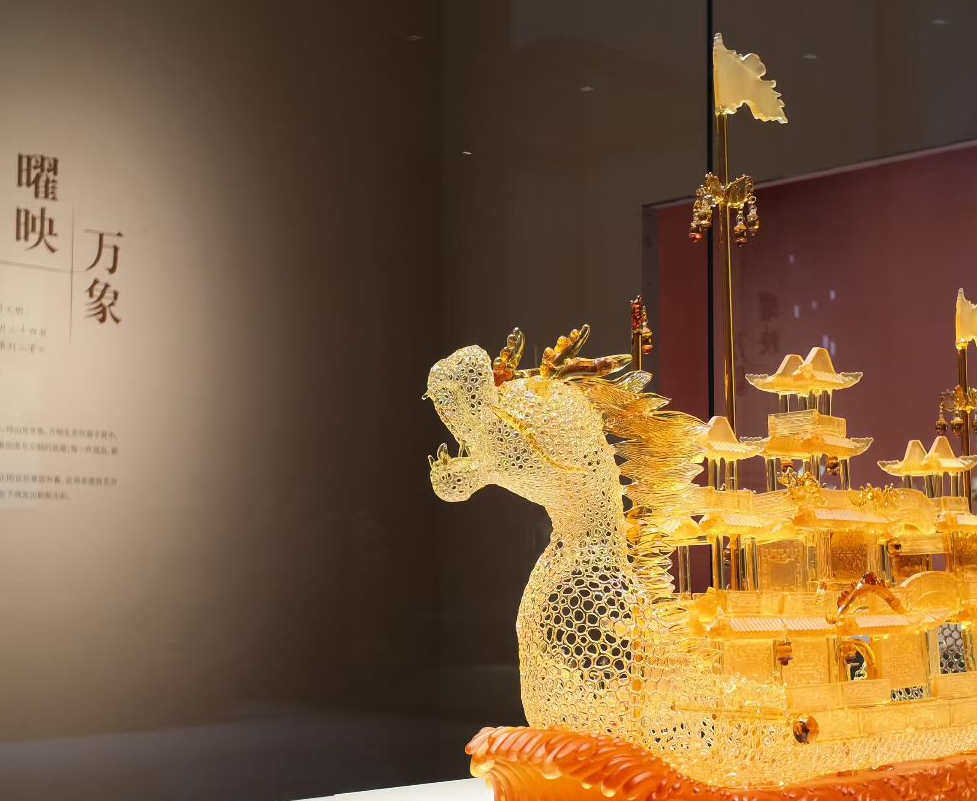
When Zibo Liuli Meets the Grand Canal: A Journey of Light, Craft, and Chinese Heritage
At the China Grand Canal Museum in Yangzhou, an elegant new exhibition brings together two important symbols of Chinese culture: Zibo L...
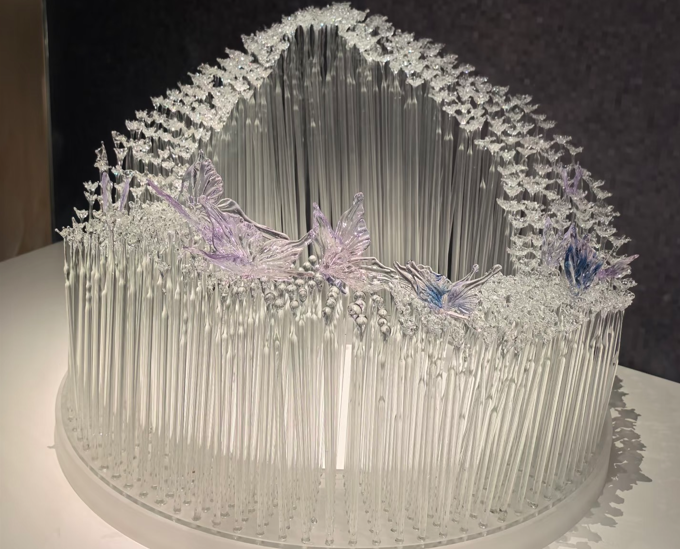
Zibo Liuli: A Legacy of Fire, Craft, and Culture(Part 2)
How Liuli is Made: The Craft Behind the Art
The creation of Liuli is a process that combines material science, heat, and human skill. F...
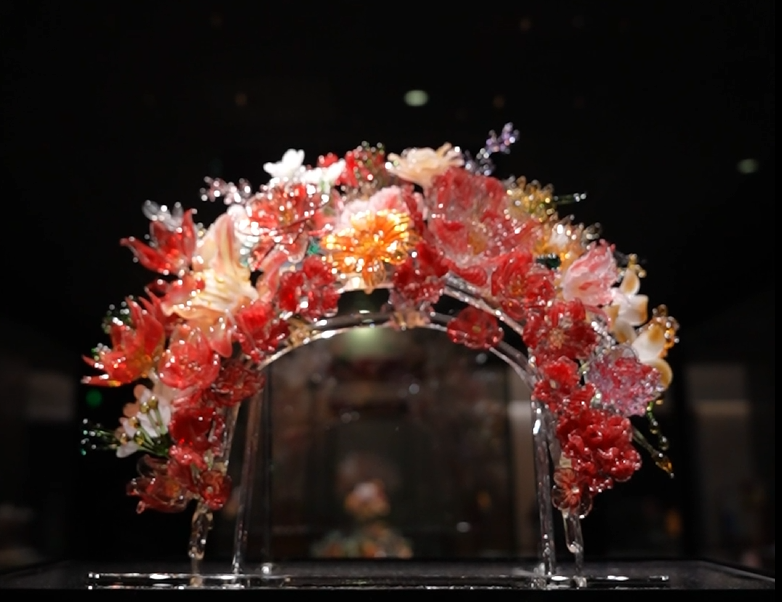
Zibo Liuli: A Thousand Years of Craft, Light, and Cultural Legacy
Warring States Liuli Bead
“Resonance of Ritual and Music” — Chicken-Yellow Liuli Artwork
...
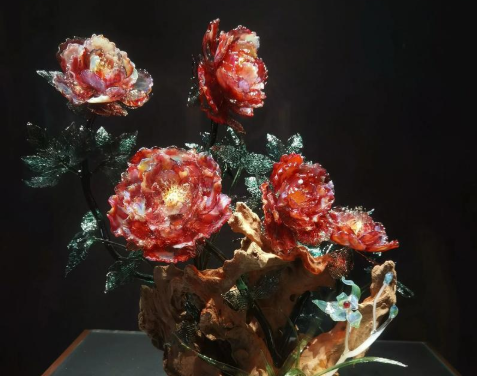
Zibo Liuli Shines at the National Museum of China
An exhibition featuring 183 handcrafted Liuli works—Luminous Brilliance: The Artistry of Zibo Glass—opened on June 10 at the National M...
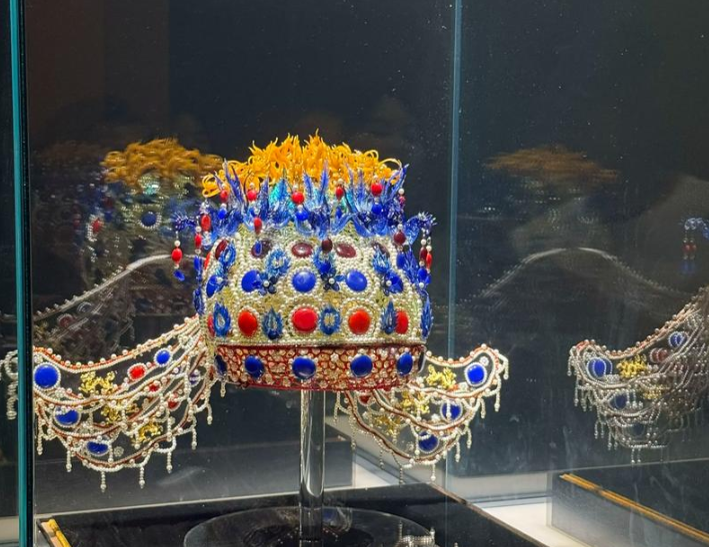
A Glassmaking Exhibition Showcasing Centuries of Creativity in Zibo
Since the Yuan Dynasty (1271–1368), Zibo in Shandong Province has been home to a thriving glassmaking tradition. Using locally sourced ...
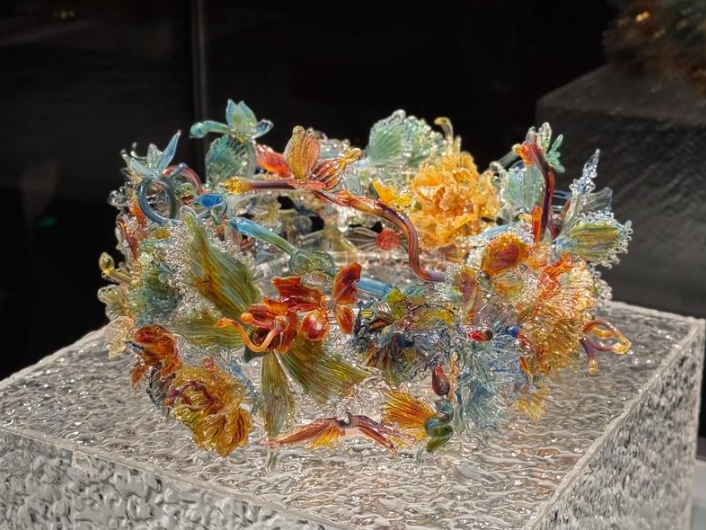
For Liuli Art, Look to China—For Chinese Liuli, Look to Zibo
Stepping into the Zibo Ceramic and Glass Museum feels like entering a dazzling world of glass art. This museum houses countless breatht...
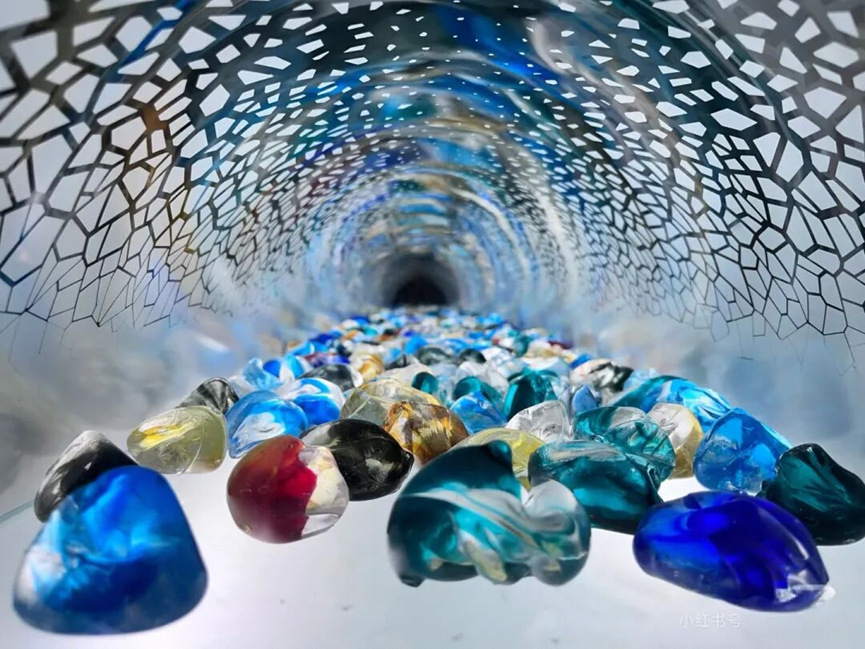
Why Has Zibo Liuli Shone for Over a Thousand Years? (Part 2)
Liuli’s Evolution: From Traditional Craft to a New Cultural Trend Today, thousands of years later, a fascina...
Why Has Zibo Liuli Shone for Over a Thousand Years? (Part 1)
Zibo Liuli, one of the most radiant treasures of traditional Chinese craftsmanship, carries profound historical heritage and exceptiona...