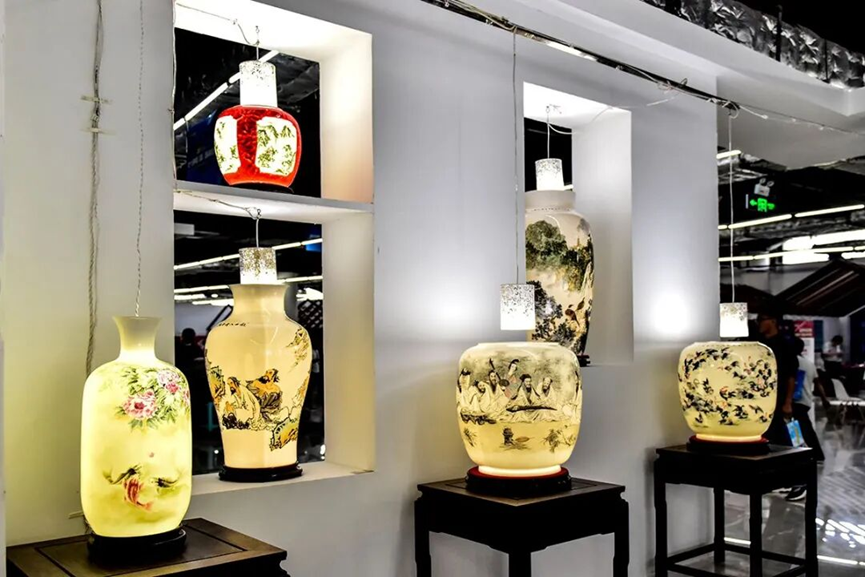
Liuli Heritage, Modern Liuli

Zibo Liuli: A Thousand Years of Craft, Light, and Cultural Legacy

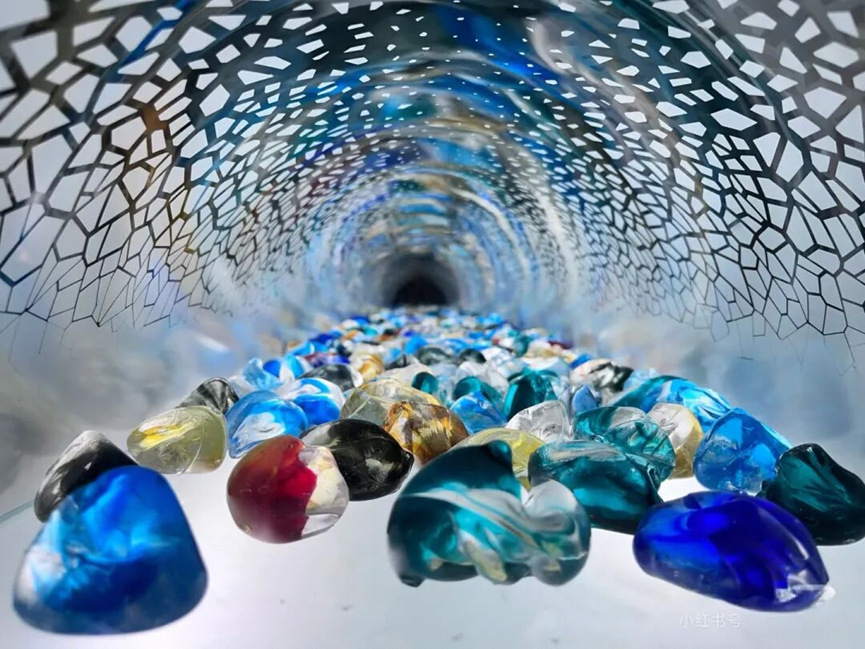
Warring States Liuli Bead
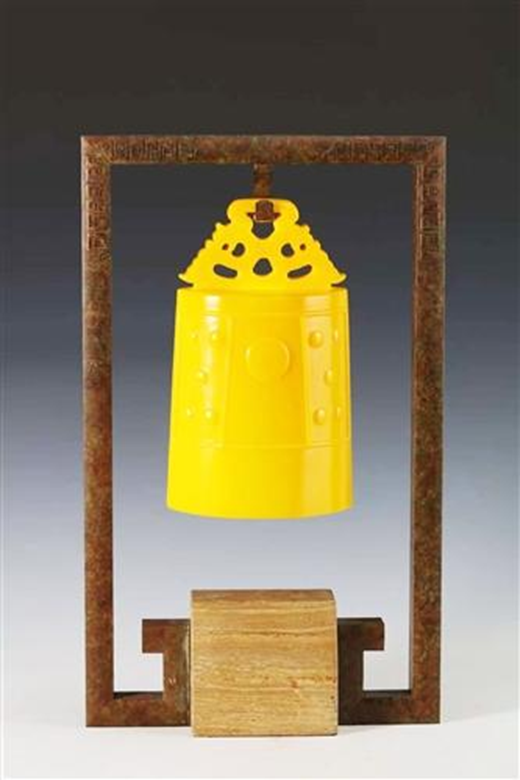
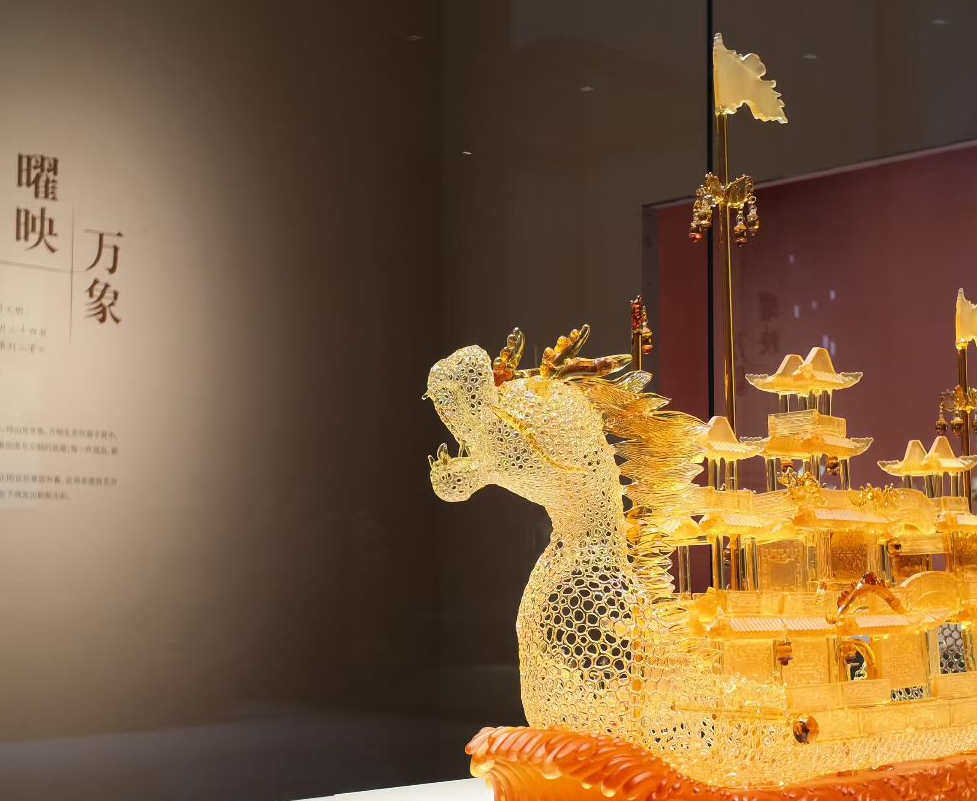
“Resonance of Ritual and Music” — Chicken-Yellow Liuli Artwork
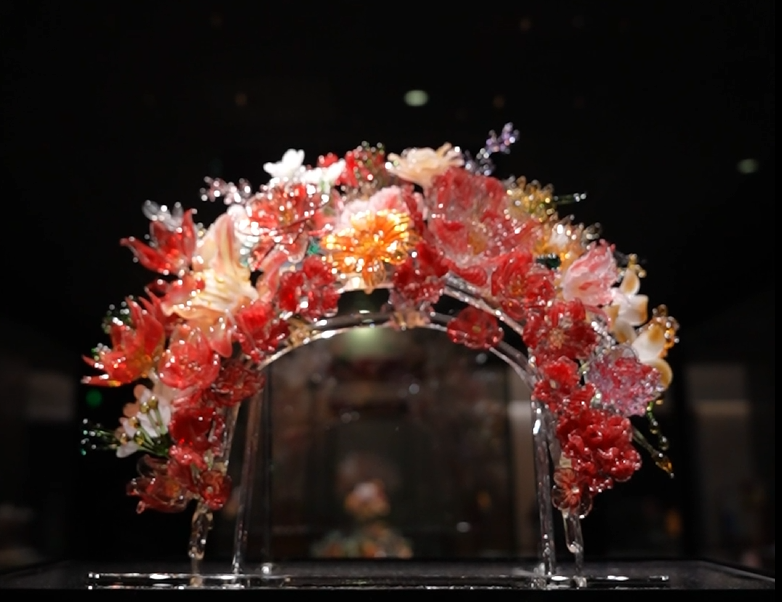
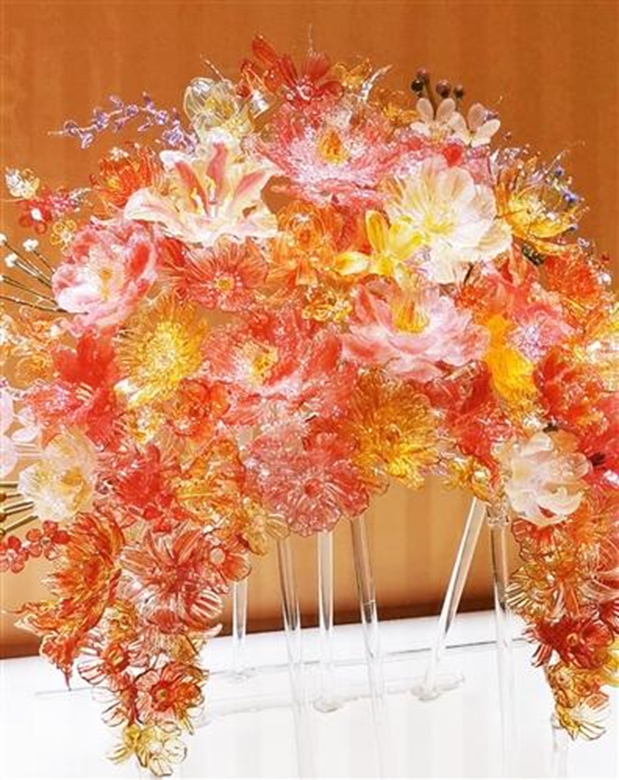
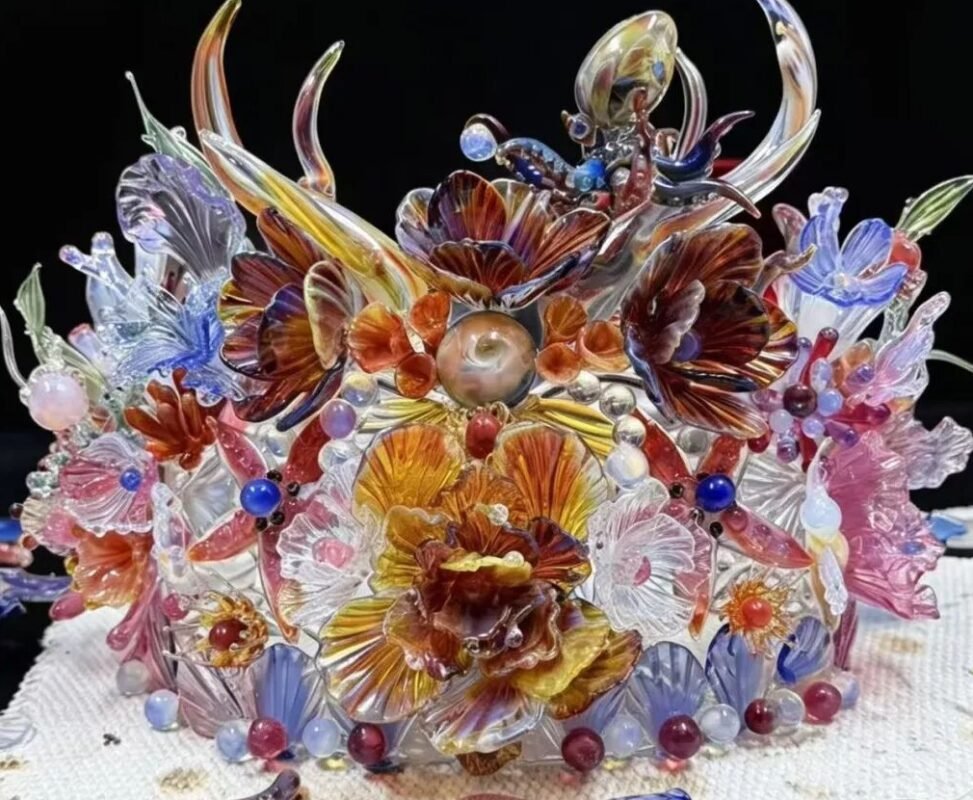
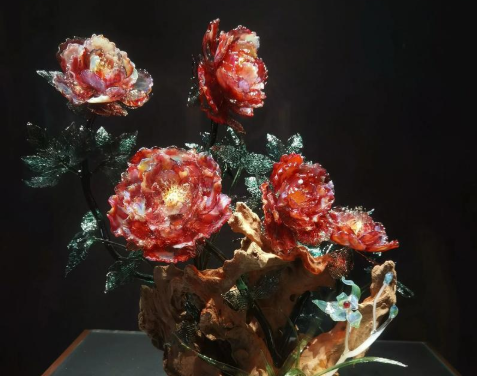
Liuli Artwork “Blossoming Flowers”

Zibo, often known as the birthplace of Liuli, has nurtured a rich tradition of glass art shaped by natural resources, historical depth, and cultural heritage. Over the years, the continuous evolution of the Liuli industry has drawn increasing numbers of visitors to the city, transforming it into a cultural destination. From both cultural and industrial perspectives, Zibo Liuli represents a remarkable story of preservation and innovation—an ancient art form that continues to reveal new vitality in the modern era.

An Art Form Born of Light

Liuli does not speak, yet it lives through light. For centuries, myths and legends have endowed Liuli with a sense of mystery, while generations of artisans have brought it to life through extraordinary craftsmanship. From past to present, a phrase has echoed through time: “For Liuli, look to China. For Chinese Liuli, look to Zibo.”

Tracing the Origins of Zibo Liuli

Within the displays of the Zibo Ceramic & Liuli Museum, translucent artifacts carry traces of time, as if quietly telling stories from a thousand years ago. Among its most treasured pieces is a Warring States–period Liuli bead—one of the earliest discovered in the region, and the largest of its kind found in China. Its purity and color remain exceptionally rare. Archaeological evidence places the confirmed origins of Zibo Liuli in the late Yuan to early Ming Dynasty, following the discovery of ancient glassmaking workshop remains in Boshan. In November 1982, museum researchers uncovered fragments of Liuli, furnace slag, clay, and ceramic pieces at a construction site in Boshan. This discovery revealed the earliest known ancient Liuli kiln site in China. Excavations later identified one large kiln and 21 smaller kilns across the site, providing critical insight into early production. Experts believe that the craftsmanship found at the site was already highly developed, suggesting that the origins of Boshan Liuli may date back even further.

Imperial Kilns of the Ming and Qing Dynasties

From vividly colored vases to delicately sculpted flowers and lifelike figures, Zibo Liuli has long been admired for its diversity of form and artistic excellence. Its refinement is closely tied to imperial workshops of the Ming and Qing dynasties. During the early Ming Dynasty, official glass workshops were established in Boshan to produce tribute items for the imperial court—an arrangement that lasted for over 275 years. In the Qing Dynasty, the Imperial Household Department set up glass production facilities, drawing heavily on craftsmen and materials from Boshan. Because of this connection, Boshan’s furnaces were known as “Imperial Kilns,” and its artisans as “Imperial Craftsmen.” These craftsmen not only brought Zibo techniques into the palace but also introduced advanced glassmaking methods back to their hometown. Techniques such as gold-red and chicken-fat yellow coloration, blowpipe glass forming, and overlay carving were refined during this exchange, significantly elevating the level of craftsmanship. During this period, Boshan Liuli was not only distributed across China but also exported to Southeast Asia. Remarkably, from the Qing Dynasty to the Republic of China era, Zibo Liuli developed an early form of “chain distribution,” with over 100 Liuli trading shops across the country, forming a nationwide network that helped shape the direction of the industry.

Tradition Meets Innovation

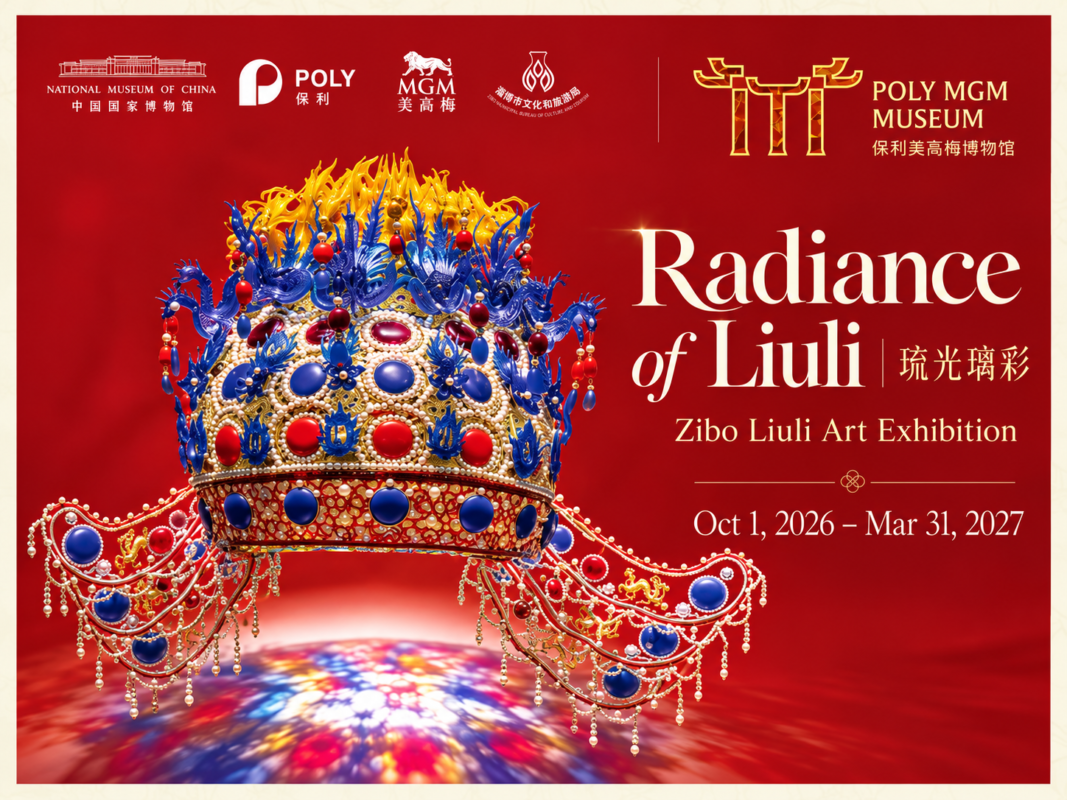
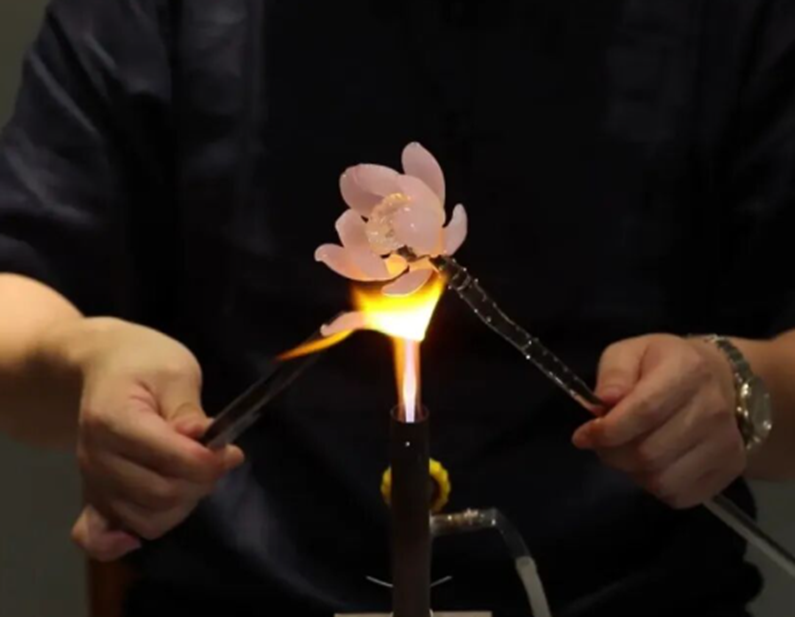
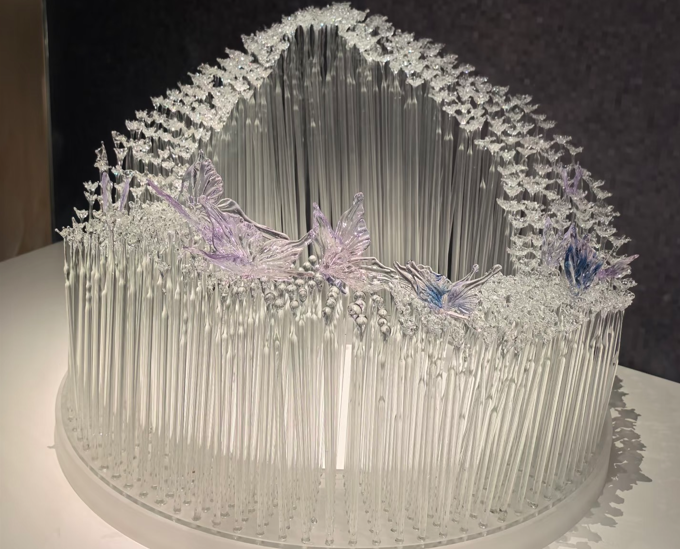
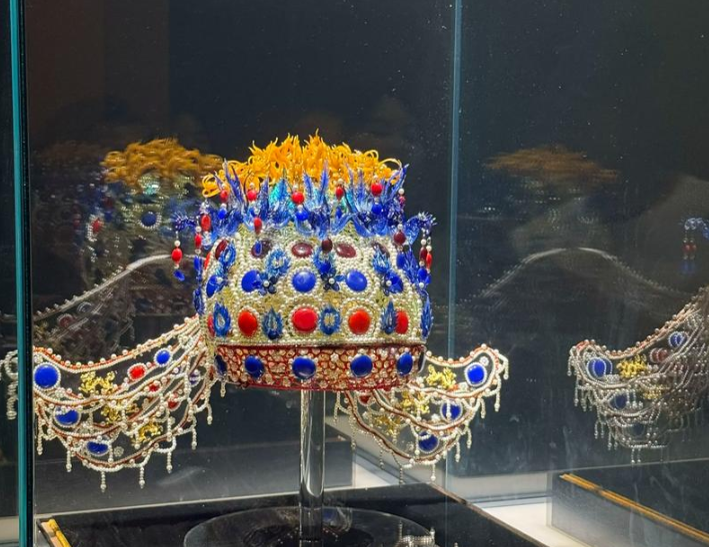
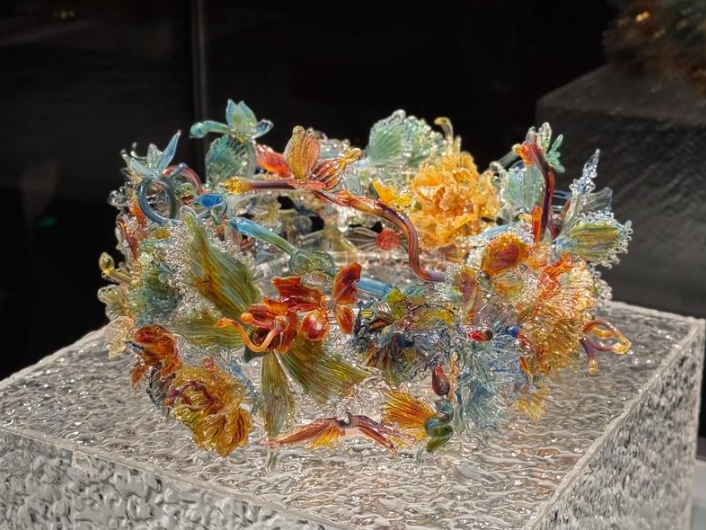
In recent years, as interest in Zibo Liuli has surged, a new generation of creators has emerged—individual artisans who blend tradition with contemporary aesthetics. On June 10, 2025, the exhibition Luminous Brilliance: The Artistry of Zibo Liuli opened at the National Museum of China. Works such as The Twelve Flower Deities, Nine-Dragon Nine-Phoenix Crown, and Blossoming Flowers attracted widespread attention and admiration. Liuli, as a traditional folk craft in Zibo, has been passed down continuously since the Yuan Dynasty. Through ongoing innovation, it has developed into a mature industry with a distinctive artistic identity. Its beauty is far from singular: Inside-painted snuff bottles reflect the spirit of the Shandong painting tradition Lampworked pieces reveal intricate creativity shaped by flame Carving, kiln-forming, and rare color techniques expand its expressive range With nearly a thousand categories and tens of thousands of variations, Liuli offers a visual experience akin to stepping into a world of imagination.

A Living Craft for the Future

Today, the Liuli ecosystem in Boshan is more vibrant than ever. Over 30 master studios continue to push creative boundaries More than 80 nationally and provincially recognized masters preserve and advance the craft Numerous enterprises contribute to innovation and production Over 5,000 practitioners sustain the industry at every level Together, they form a dynamic foundation for the future of Zibo Liuli.

The Enduring Spirit of Zibo Liuli

Forged through fire and shaped by light, Zibo Liuli continues to evolve—refining its artistry while carrying forward centuries of tradition. As it grows, it not only preserves cultural heritage but also brings renewed energy and depth to the identity of Zibo as a city. Liuli does not simply endure. It transforms, continuously—through fire, through time, and through human creativity.

Leave a Reply

Your email address will not be published. Required fields are marked *